


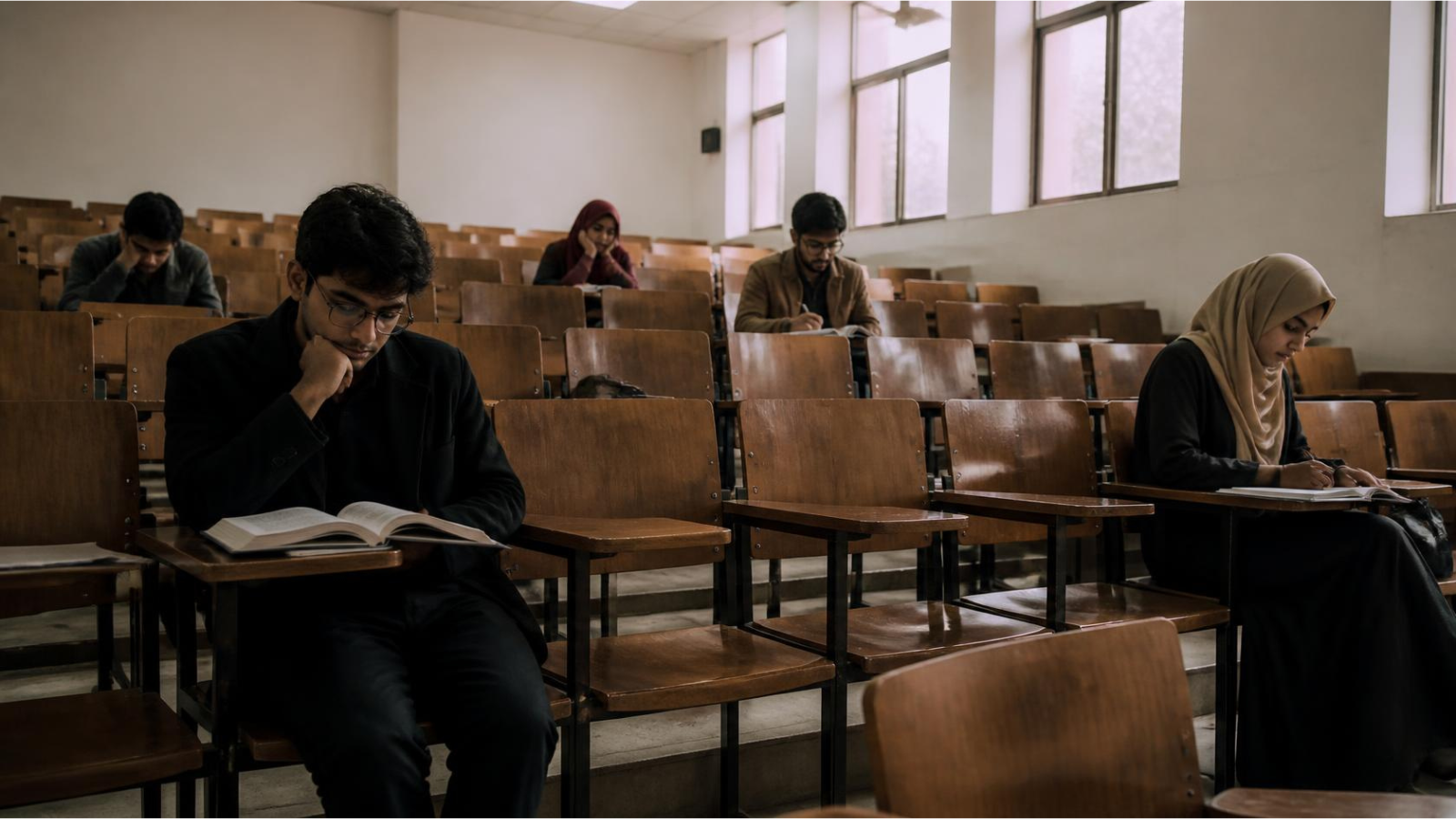
New Pakistan Economic Survey data shows university enrollment fell nearly 12% in four years. Taleem Wire looks at why families are opting out of higher education.
Pakistan’s Universities Are Losing Students, and Fees Are Only Part of the Story
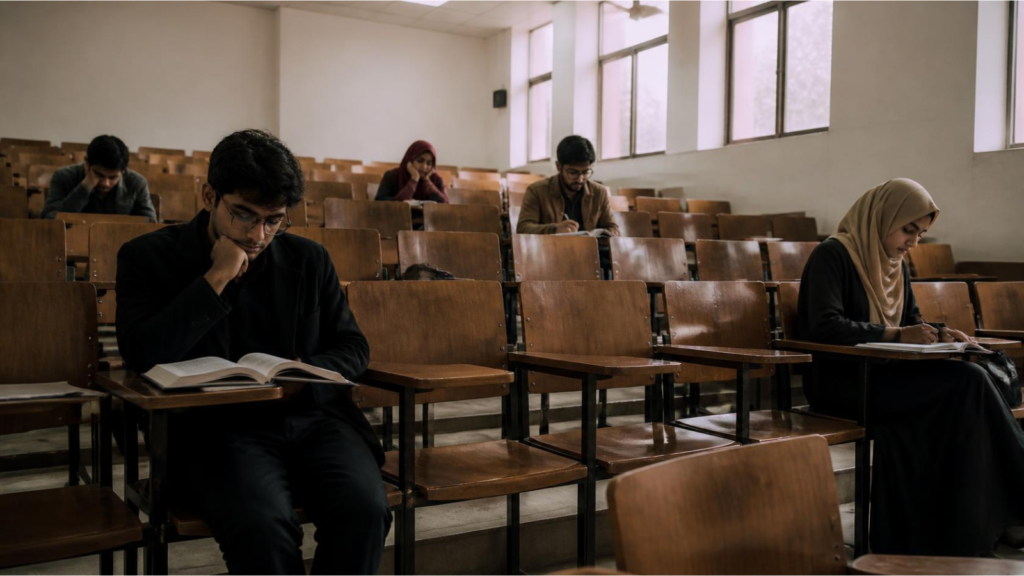
Here’s a number that should worry every education policymaker, principal, and parent in Pakistan: university enrollment has fallen by nearly 12% from its peak. According to the Pakistan Economic Survey 2025-26, the number of students in higher education dropped from 2.23 million in 2020-21 to a low of 1.94 million in 2022-23, recovering only slightly to 1.96 million by 2024-25. That’s a loss of roughly 262,000 students, and a reversal of the growth trend the sector had been chasing for over a decade, having climbed steadily from 1.30 million in 2014-15.
Education researchers are calling the decline “very alarming,” and notably, they’re resistant to pinning it on any single cause. Instead, the picture that emerges is one of several pressures compounding at once.
The Money Problem
Government spending on education has been sliding at the same time enrollment has, down to just 0.8% of GDP in 2024-25, compared to 1.5% in 2023. That’s a meaningful cut in public investment, and it lands directly on university budgets, scholarship pools, and the affordability of public-sector institutions that were traditionally the access point for lower- and middle-income families.
As public funding shrinks, fees have risen, and for households already squeezed by broader economic pressure, a university degree is increasingly being weighed against its immediate opportunity cost. An education professor at a public university in Lahore described the trend bluntly: higher education is becoming inaccessible to ordinary Pakistani families, many of whom are being pushed toward the poverty line and are choosing to have a child learn a skill and start earning immediately rather than wait out a four-year degree. Separately, a career services official at a private university in Karachi pointed to vacant seats in medical and dental colleges as further evidence of the drop-off, noting that even after relaxed eligibility criteria, 743 of 22,300 seats went unfilled for the 2025-26 intake.
What This Means If You’re a Parent or a Teacher
For parents currently weighing whether a child should pursue university at all, this data validates a concern many already feel intuitively: the return on a degree needs to be clearer than it currently is. That doesn’t mean skipping higher education is the right call, but it does mean the “which degree, which university, which city” decision deserves more scrutiny than it used to, particularly around scholarship access and total cost of a four-year programme.
For teachers and school administrators, a shrinking university pipeline changes the conversation with senior students. Career counselling that only points toward “go to university” without addressing cost, scholarships, and realistic return-on-investment is going to feel increasingly disconnected from what families are actually weighing at home.
The Ministry of Education and provincial Higher Education Departments haven’t yet announced a coordinated response to the enrollment drop. Until they do, expect the gap between Pakistan’s public universities and its shrinking pool of paying students to keep widening.

More Stories
EU Education Support in Pakistan: What It Funds and Delivers
Pakistan Tops Erasmus Mundus 5 Years Running: What It Means
World Teachers’ Day 2026: What Pakistan’s Teachers Need Beyond a Thank You